- Details
- Written by ICONZ
- Category: Menu utama
- Hits: 4293

Researches on digital transformation have been extensive, addressing the implications of technology in organisations. The debates on digital transformation have been emerging in line with the digitalisation in industrial revolution 4.0 (IR 4.0) notion (Oztemel and Gursev, 2020), the personalisation of human intelligence with artificial intelligence in industrial revolution 5.0 (IR 5.0) idea (Javaid and Haleem, 2020), and in times of Covid-19 pandemic (Iivari et al., 2020). Vial (2019) proposed digital transformation definition as ‘a process that aims to improve an entity by triggering significant changes to its properties through combinations of information, computing, communication, and connectivity technologies.
Like in other sectors, the digital transformation phenomenon has been occurring in the global zakat administration. Such massive transformation recently is related to the Covid-19 pandemic (Hudaefi and Beik, 2021). In Indonesia, the phenomenon of digital zakat has been introduced since 2016 by the National Board of Zakat (BAZNAS). Digital zakat refers to digitalisation in zakat payment (Hudaefi et al., 2020). It is an online platform in virtual forms (e.g. phone-based apps and web-based apps) that provide services for zakat payment. Moreover, the digitalisation in zakat also targets the management of distribution and empowerment programs in order to achieve greater efficiency.
However, the existing studies on digital transformation of zakat institutions have been limited. Such limited studies that explain the digital transformation of zakat institution and the complexity of factors causing digital divide, the 5th ICONZ aims to initiate a scholarly platform to discuss digital transformation in zakat administration and how such transformation could elevate the resilience level of zakat management in facing hardship during the pandemic so the zakat institutions will operate efficiently to provide a tool for the Ummah to achieve prosperity amid the pandemic. Thus, several applicable recommendations are expected to be delivered from the discussion. In addition, the topic is theoretically important to discover the degree to which digital transformation has been practised in zakat administration and how such digitalisation can be understood from such practices and have high implications for society.

Event Handbook |

Organizer

Co-organizer


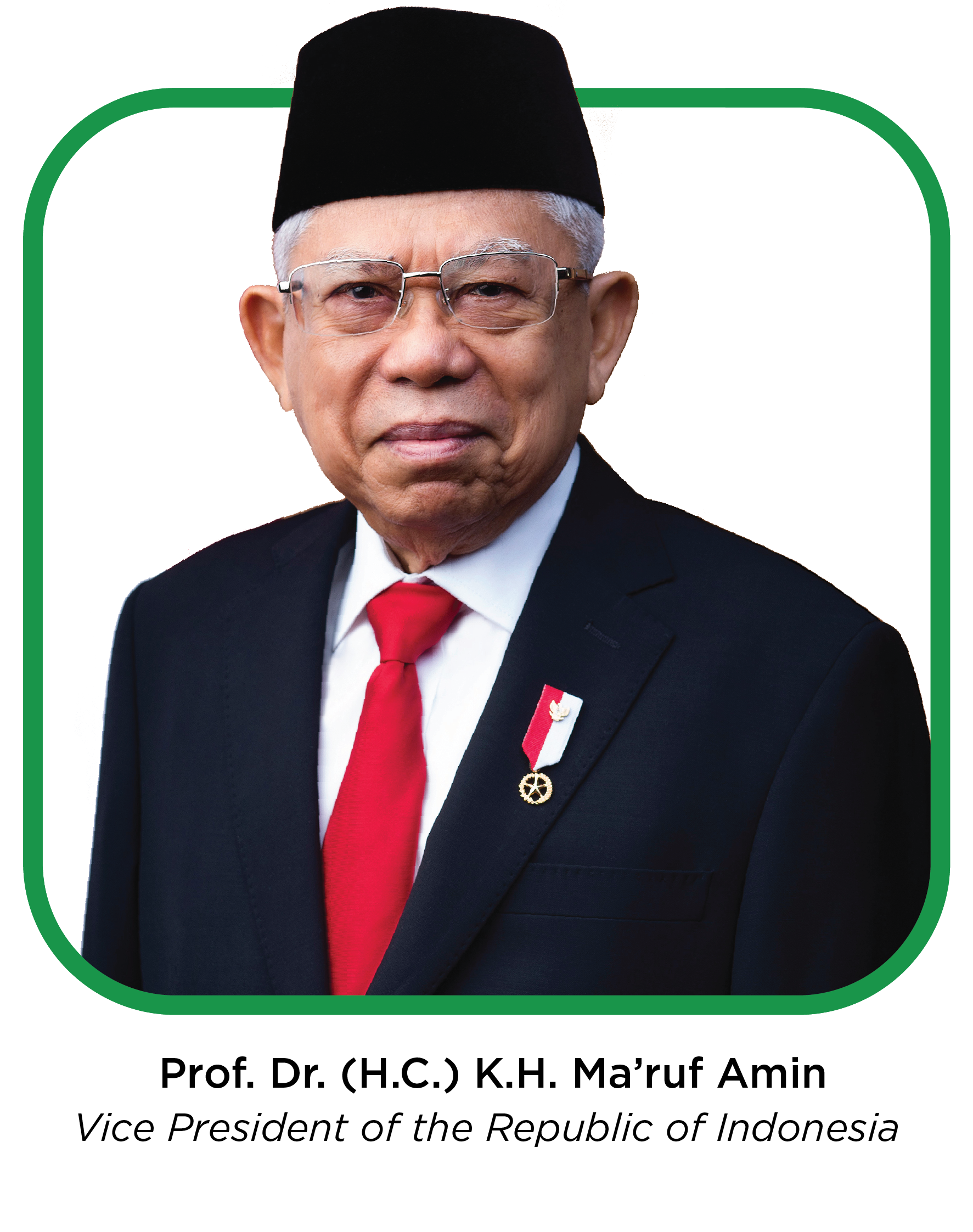
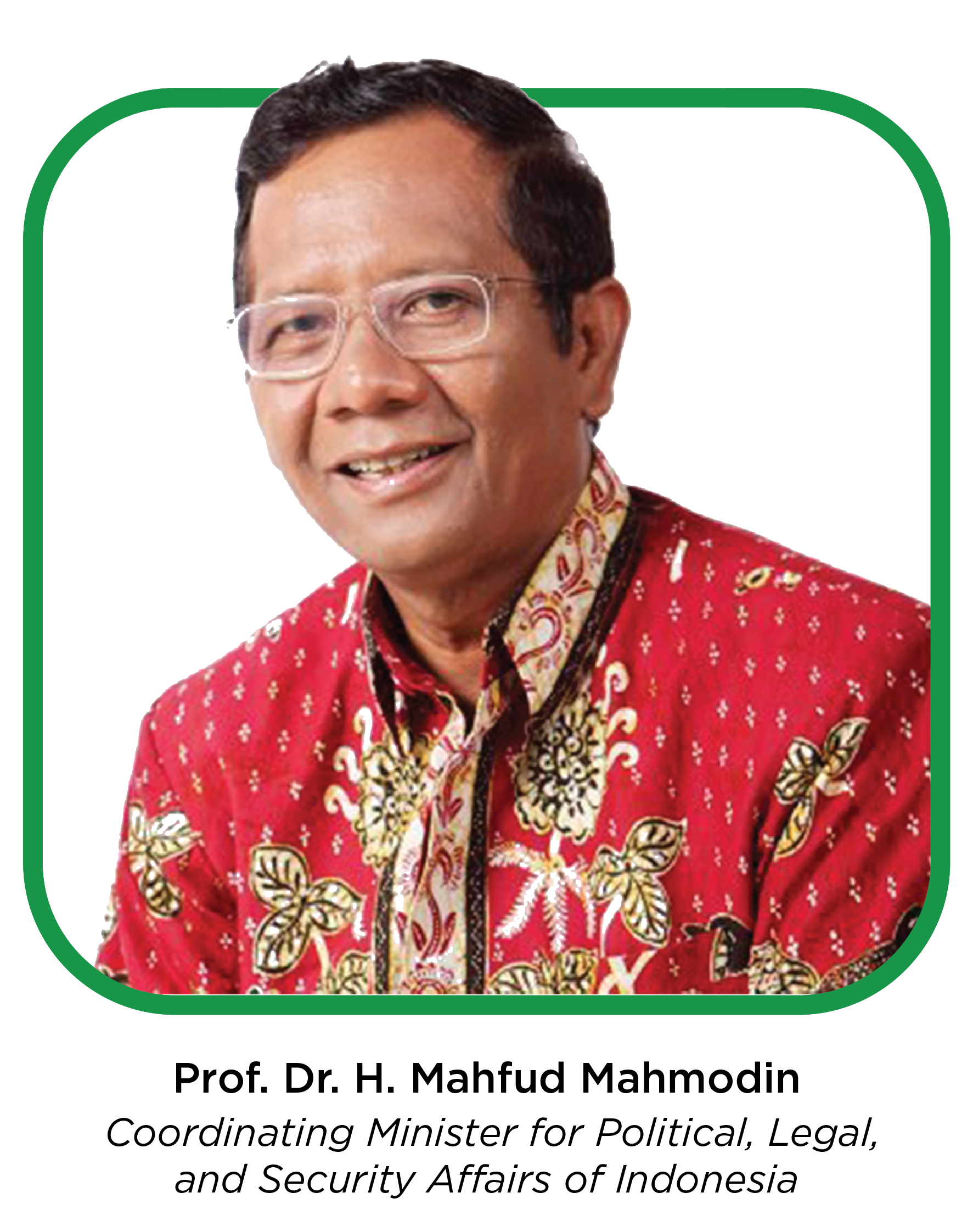
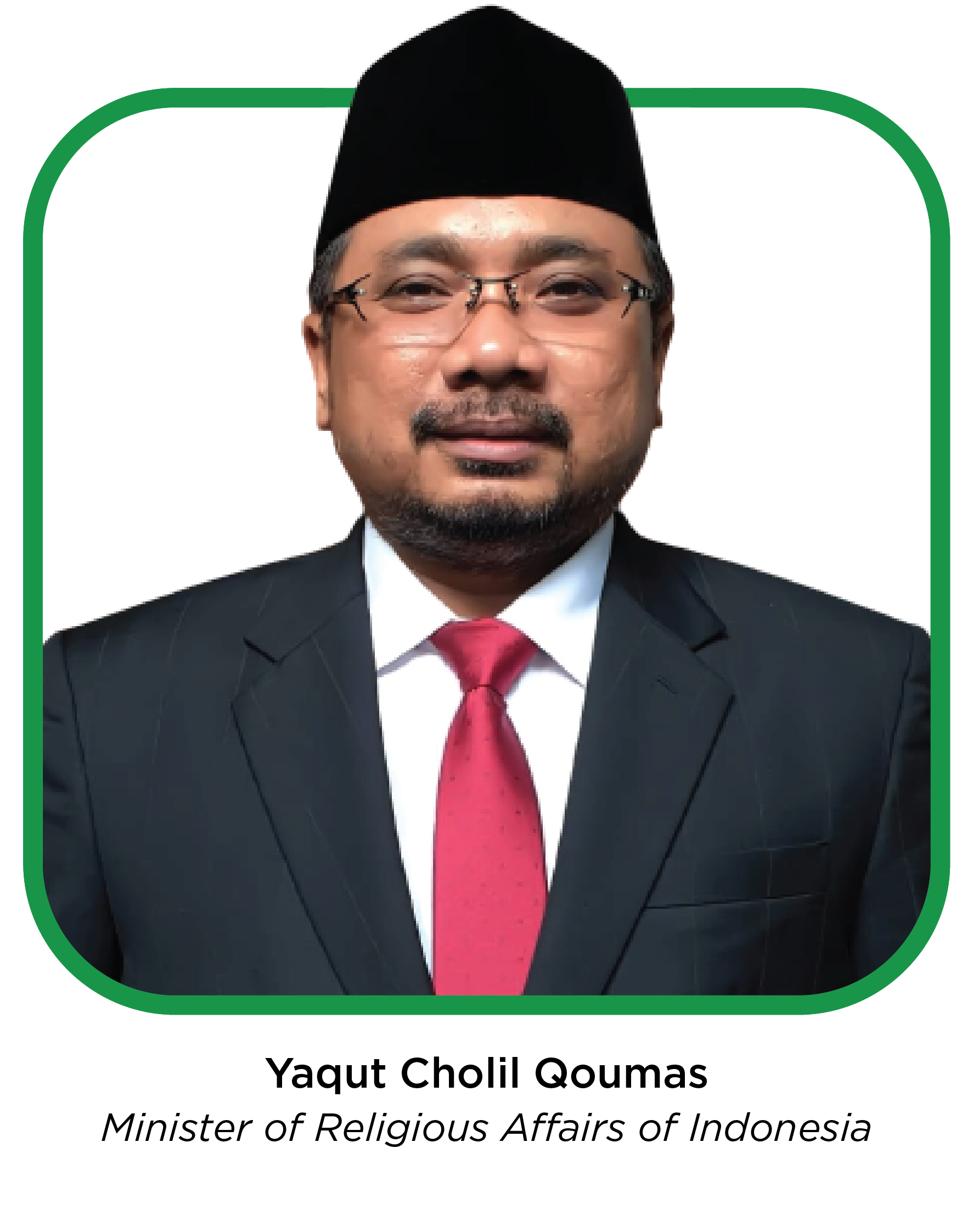
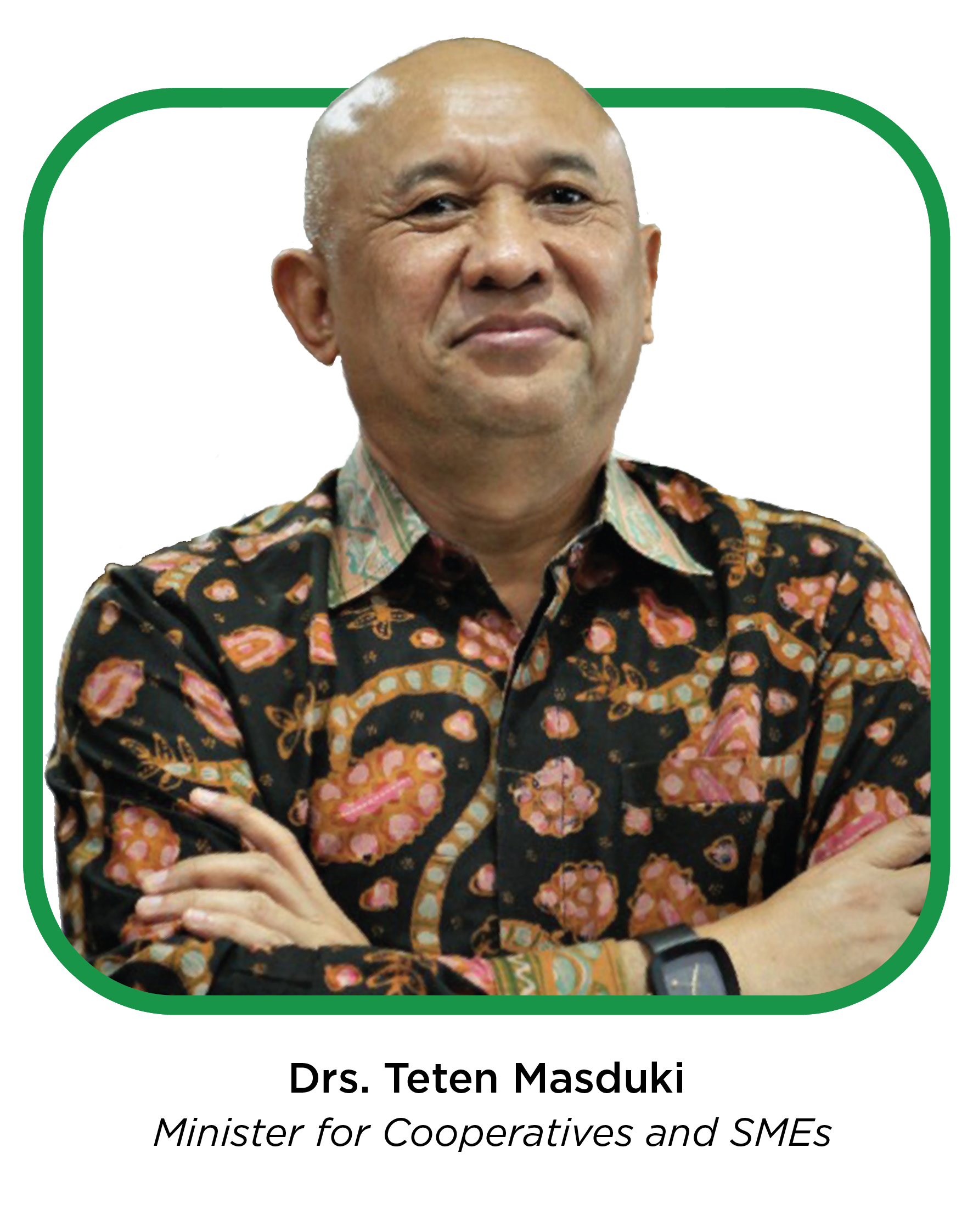
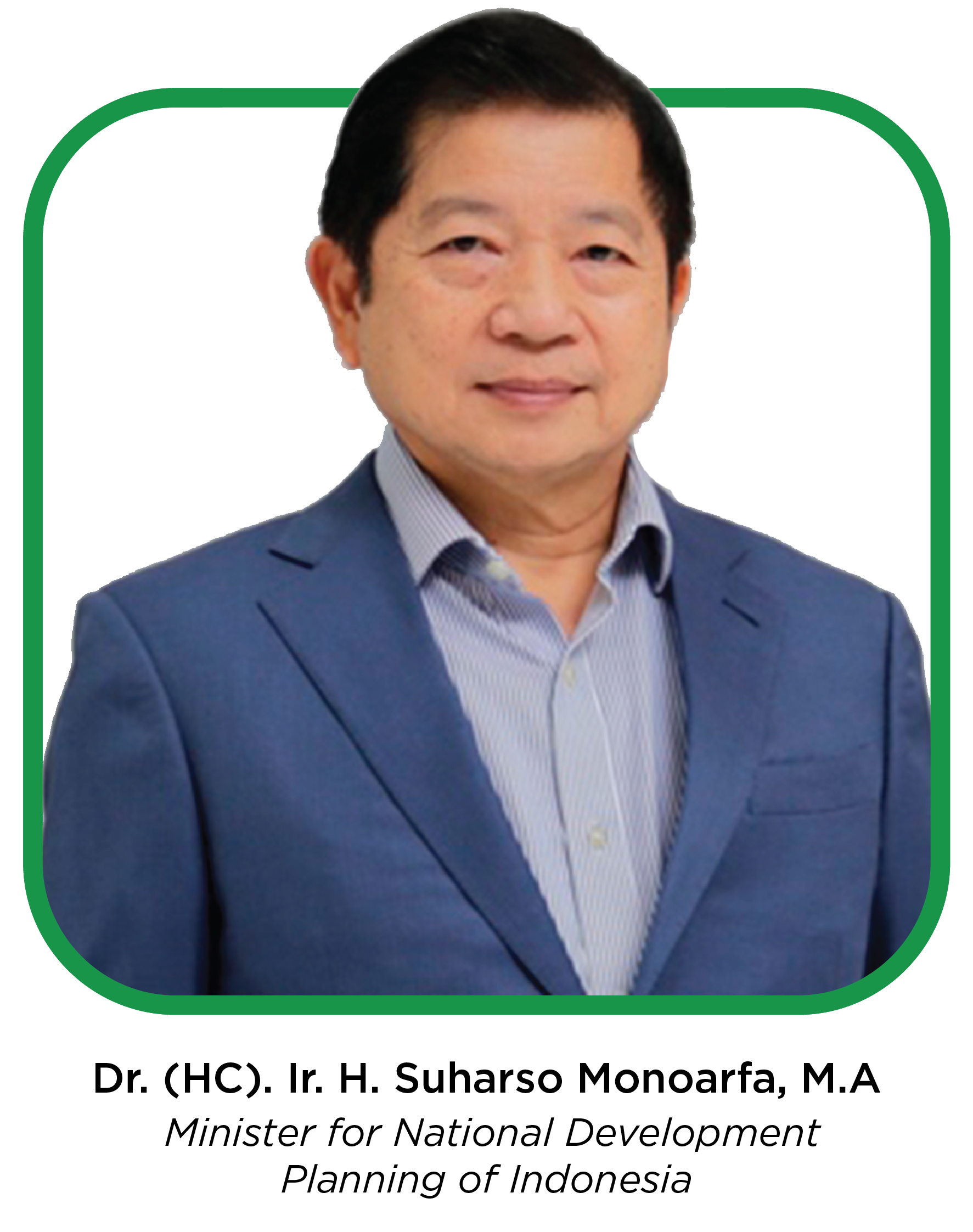
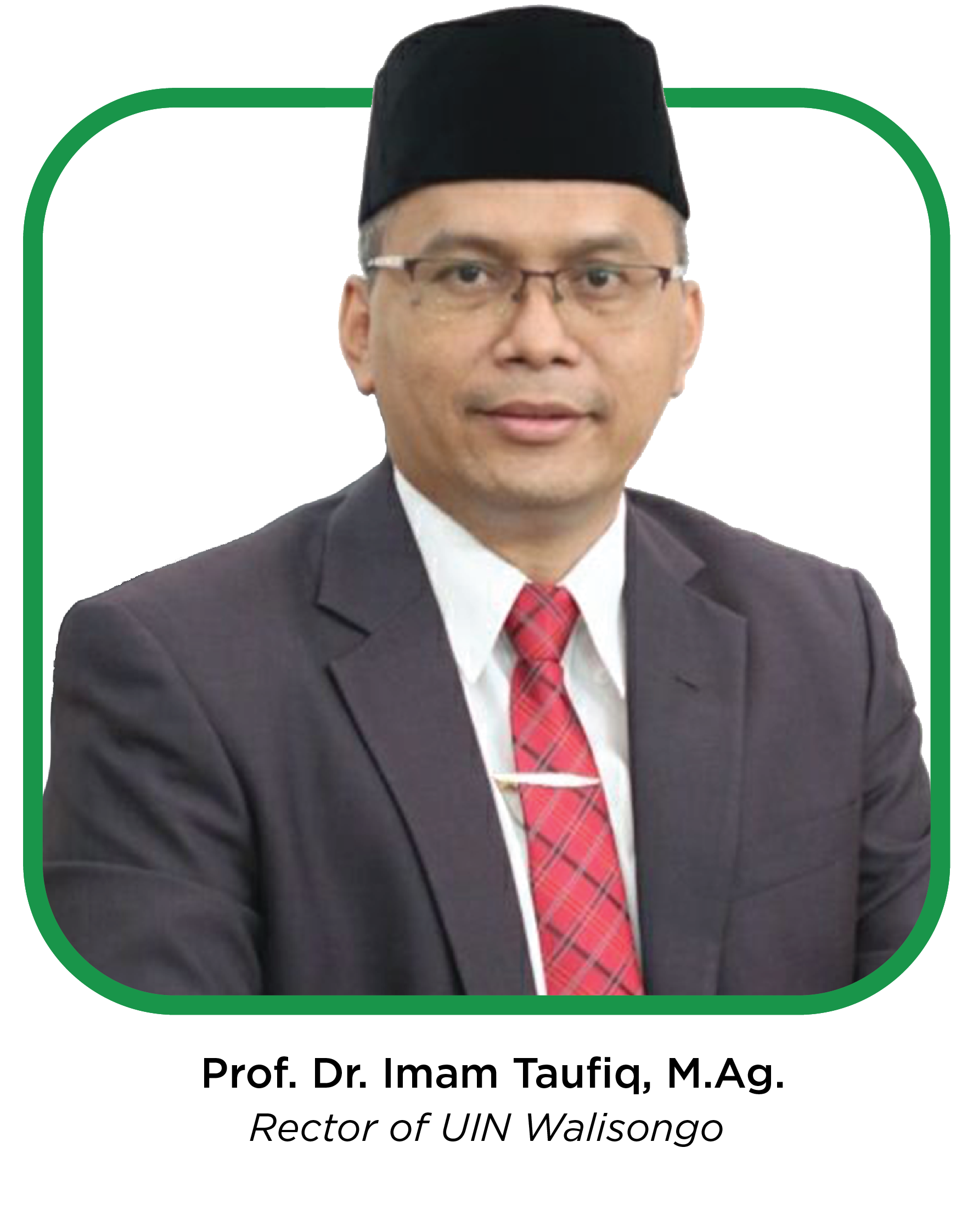
Speakers


Topic of Interest
The 5th ICONZ calls for papers that can best answer the following questions: to what extent do zakat institutions initiate their digital transformation? And how digital divide occurs in such transformations? The authors are welcome to address these questions from several contexts and under a case study or multiple case studies. Several possible topics that can guide the authors in preparing their manuscripts are:
- Digital transformation in zakat collection and the problems that occur in such transformation and the related topics,
- Digital transformation in zakat distributions and the issues in the transformation, including other related topics,
- Digital transformation in zakat management and other related topics,
- The issues of muzakki (zakat payers) and mustahik (zakat recipients) data integration,
- The issues of ‘amil (employees in zakat institutions) skills and competencies in digital transformation,
- Digital transformation of zakat institutions in times of the pandemic Covid-19,
- Shariah related issues in digital zakat management,
- Qualitative work explaining the history of a zakat institution in digitalising its management,
- A quantitative study investigating the impact of technology use in zakat administration,
- Constructing a conceptual framework of Shariah-compliance for zakat institutions,
- Defining the fundamental of Shariah risk and other related risks in the context of zakat institution,
- Proposing the framework of shariah audit for zakat institutions,
- A case study using the existing shariah audit framework for zakat institutions issued by an official agency and its potential of improvement,
- Women studies with special relation to the utilisation and/or distribution of zakat,
- The role of zakat in empowering the underprivileged communities, particularly disabled people,
- Zakat and sustainable development goals (SDGs) 2020,
- Zakat and circular economy; Zakat and blue economy; Zakat and climate changes,
- Others topics related to zakat.
Publication Opportunities
The conference proceeding is available online and indexed by


The accepted and selected papers will have opportunity to be published in the following journals:
- IJAZ: The International Journal of Zakat
- Al-Iqtishad: Jurnal Ilmu Ekonomi Syariah
- Signifikan: Jurnal Ilmu Ekonomi
- Agregat: Jurnal Ekonomi dan Bisnis
- Al-Urban: Jurnal Ekonomi Syariah dan Filantropi Islam
- Details
- Written by ICONZ ADMIN
- Category: Menu utama
- Hits: 804

The handbook of the event is available here
- Details
- Written by ICONZ ADMIN
- Category: Menu utama
- Hits: 449
CONTACT US
BAZNAS Center of Strategic Studies
Pusat Kajian Strategis BAZNAS (BAZNAS Center of Strategic Studies)
Jalan Kebon Sirih Raya Street No. 57, Kb. Sirih, Menteng, Central Jakarta 10340, Indonesia
Phone : +62812-8229-4237
E-mail: This email address is being protected from spambots. You need JavaScript enabled to view it.
Pusat Kajian Ekonomi dan Bisnis Syariah, FEB UGM
Pusat Kajian Ekonomika dan Bisnis Syariah
(Center for Research in Islamic Economics and Business)
2nd Floor South Wing S.229, FEB UGM Campus
Sosiohumaniora Street No. 1, Bulaksumur
Sleman, Yogyakarta, Indonesia
Telp: +62 274 548510 ext 145
Email: This email address is being protected from spambots. You need JavaScript enabled to view it.
Web: http://pkebs.feb.ugm.ac.id



- Details
- Written by ICONZ ADMIN
- Category: Menu utama
- Hits: 1234

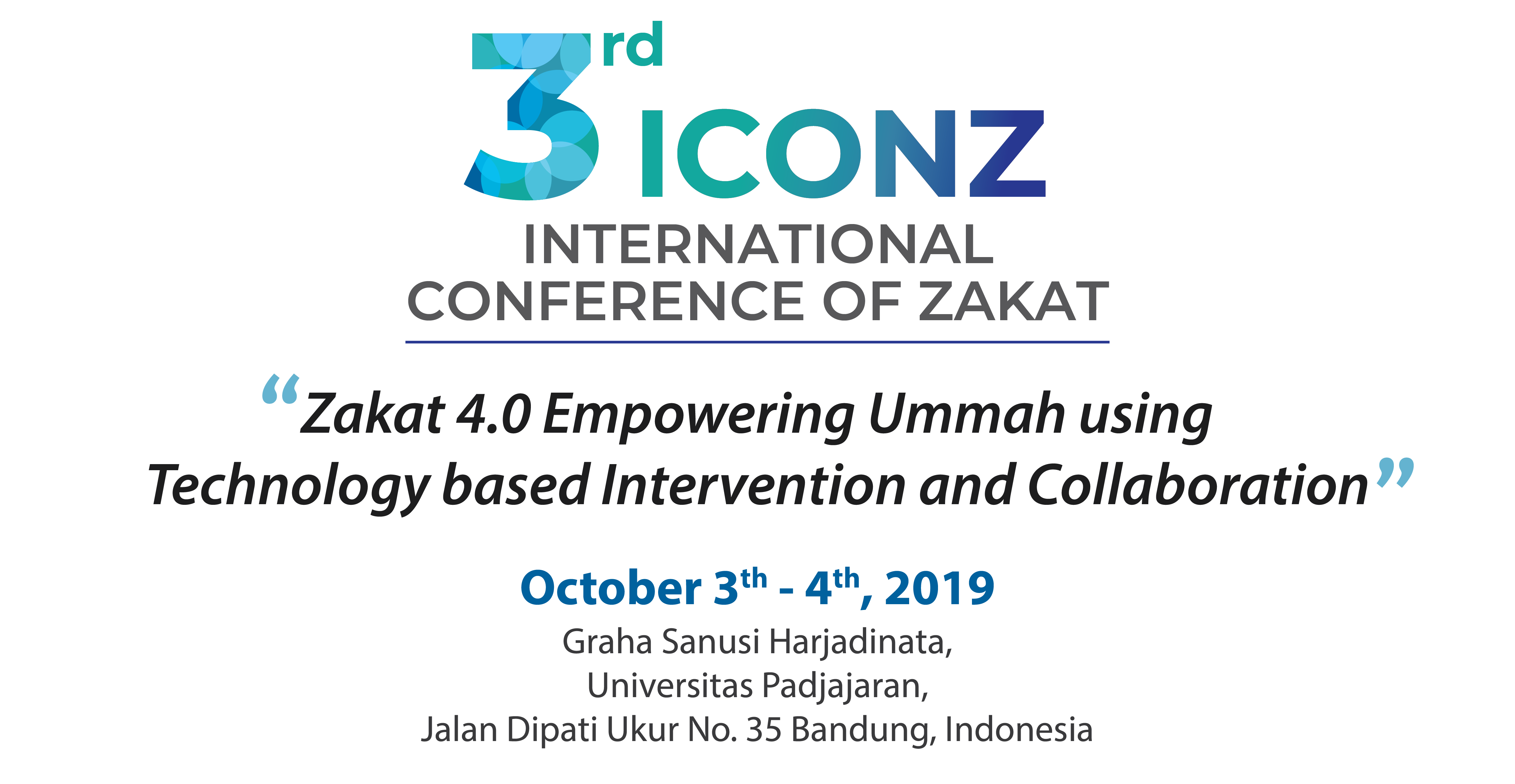
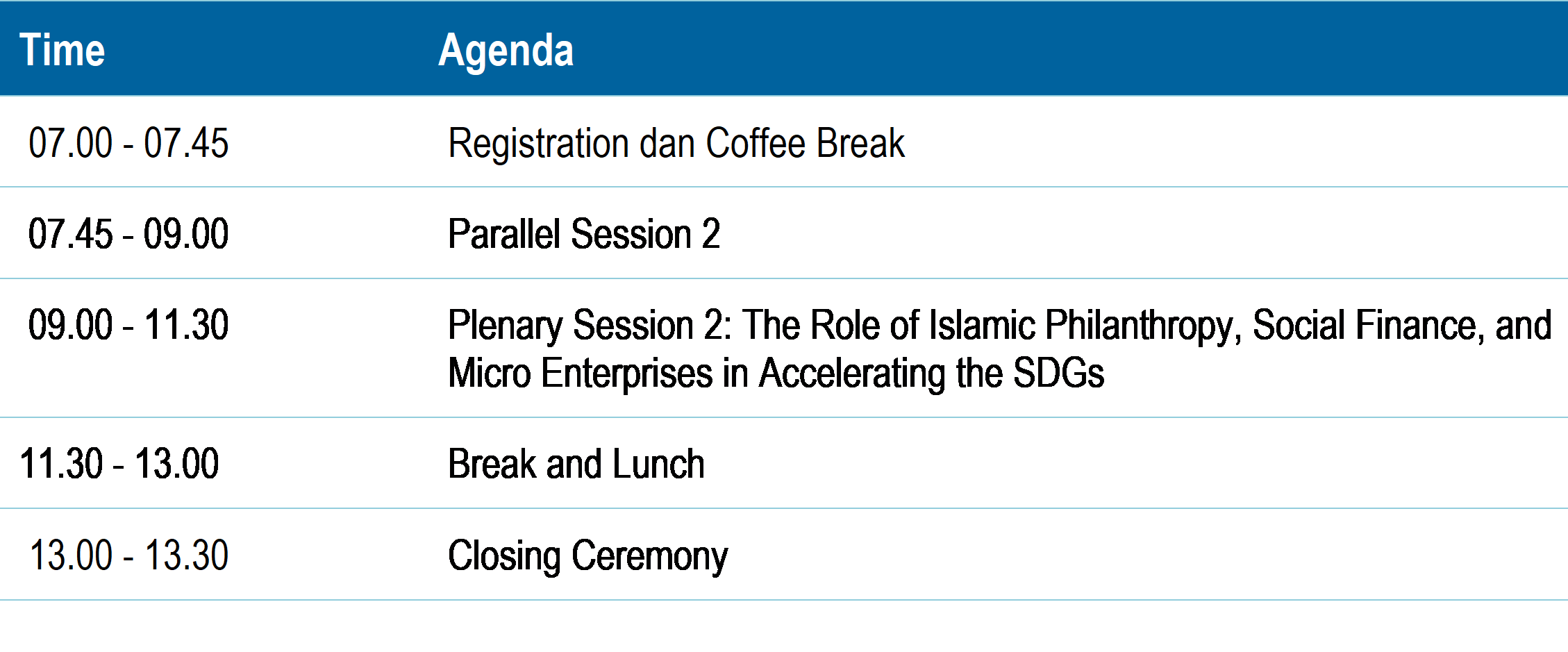
Day 1 - Thursday, 3 October 2019

Day 2 - Friday, 4 October 2019